Premature ejaculation (PE) is one of the most common sexual concerns among men.
But ejaculating quickly from time to time does not automatically mean you have premature ejaculation.
The bigger question is whether it happens consistently, whether you feel unable to control when you ejaculate, and whether it causes frustration, anxiety, or problems in your sex life.
The good news is that there are several ways to work on ejaculatory control, depending on what may be contributing to the problem.
In this guide, we’ll look at what premature ejaculation is, common causes, signs to watch for, and practical options that may help.
What Is Premature Ejaculation?
Premature ejaculation generally refers to ejaculation happening sooner during sexual activity than you or your partner would like, together with difficulty delaying it.
There isn’t one magic number of minutes that determines whether everyone has PE.
Clinical definitions typically consider several factors together:
- How quickly ejaculation occurs
- How much control you feel you have
- How consistently it happens
- Whether it causes distress or frustration
For lifelong premature ejaculation, the International Society for Sexual Medicine describes ejaculation occurring before or within roughly one minute of vaginal penetration, together with difficulty delaying ejaculation and negative personal consequences.
Acquired premature ejaculation is different. This refers to someone who previously had normal ejaculatory control but experiences a significant reduction in ejaculation time, often to around three minutes or less.
The important point is that control and distress matter, not only the stopwatch.
Is Premature Ejaculation Common?
Yes.
Many men experience ejaculation sooner than they would like at some point in their lives.
An occasional experience is usually not something to panic about.
Stress, excitement, a new partner, a long period without sexual activity, anxiety, or simply an unusually high level of arousal can all change how quickly ejaculation happens.
PE becomes more relevant when the problem happens repeatedly and begins affecting your confidence, relationships, or enjoyment of sexual activity.
Common Signs of Premature Ejaculation
The most obvious sign is ejaculating sooner than you want.
But there are several other patterns you may notice.
1. Difficulty Controlling Ejaculation
You may feel as though once your arousal reaches a certain level, ejaculation becomes almost automatic.
You might recognize that you’re getting close but feel unable to reduce your arousal quickly enough.
2. Ejaculation Happens Very Quickly Most of the Time
One fast experience doesn’t necessarily mean anything is wrong.
A repeated pattern is more important.
3. You Feel Anxious About Performance
You may start thinking about how long you’re going to last before sexual activity even begins.
That anxiety can itself make relaxing and controlling arousal more difficult.
4. You Rush Through Sexual Activity
Some men develop a habit of moving quickly toward orgasm.
Over time, this can become the pattern their body expects during sexual stimulation.
5. It Affects Your Confidence or Relationship
PE can become frustrating for both partners.
Some men may even begin avoiding intimacy because they’re worried about what will happen.
What Causes Premature Ejaculation?
There isn’t always one single cause.
Premature ejaculation can involve a combination of psychological, behavioral, relationship, and biological factors.
Performance Anxiety
Worrying about sexual performance can create a cycle.
You become anxious about ejaculating too quickly.
That anxiety makes you more tense.
You pay even more attention to whether you’re getting close.
Your arousal rises.
And the fear of ejaculating quickly can actually make control more difficult.
Learning to recognize and manage your arousal can therefore be an important part of improving control.
Stress
Sexual performance doesn’t happen separately from the rest of your life.
High levels of stress may make it harder to relax physically and mentally.
If your nervous system is constantly in a highly activated state, you may notice more tension throughout your body, including around the abdomen and pelvic region.
Pelvic Floor Tension
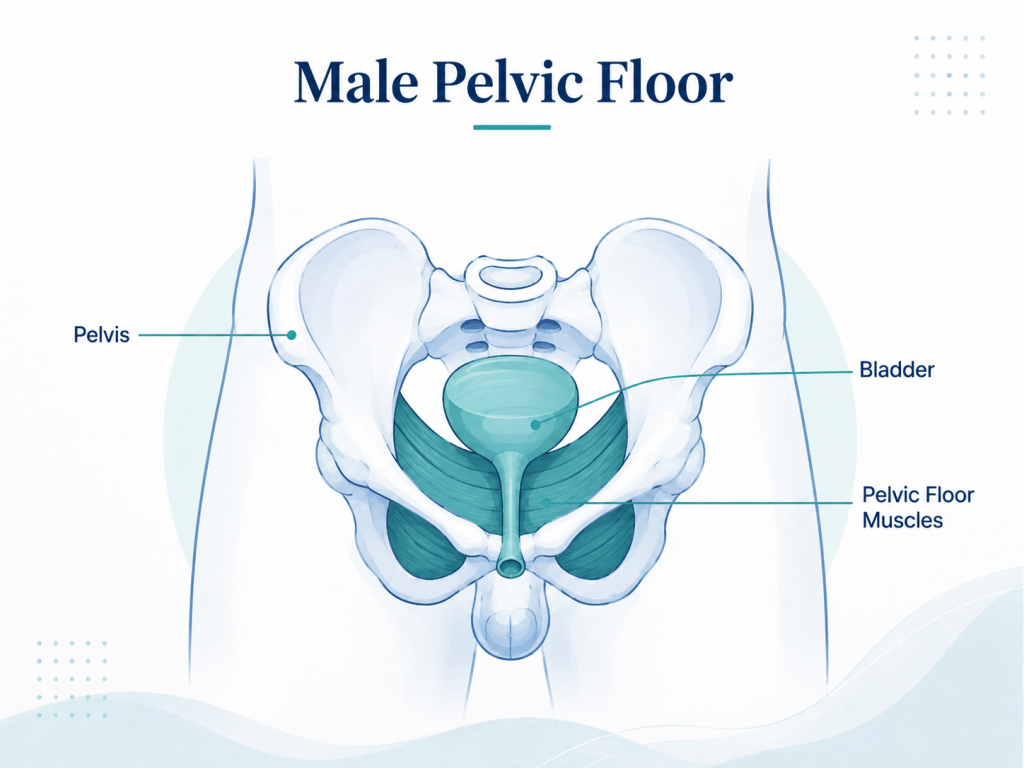
The pelvic floor is a group of muscles located around the bottom of the pelvis.
These muscles are involved in urinary, bowel, sexual, and ejaculatory function.
Some men focus entirely on strengthening these muscles with Kegels.
But strength isn’t the whole picture.
Being able to relax and coordinate the pelvic floor is also important.
If you’re constantly squeezing or tensing your pelvic floor during high arousal, learning better awareness and relaxation may be useful.
This is where techniques such as reverse Kegels and belly breathing can become part of a broader training approach.
Learned Sexual Habits
Your body becomes better at what you repeatedly practice.
If you’ve developed a habit of rushing toward ejaculation during sexual stimulation, your body may become accustomed to moving quickly from low arousal to orgasm.
This doesn’t mean you’re permanently stuck with that pattern.
It means learning a different pattern may require deliberate practice.
Instead of always racing toward orgasm, you can practice noticing different levels of arousal and reducing stimulation before reaching the point where ejaculation becomes difficult to stop.
Erectile Difficulties
Erection concerns and premature ejaculation can sometimes occur together.
For example, someone worried about losing an erection may rush through sexual activity, which may contribute to earlier ejaculation.
If you regularly experience both difficulty maintaining an erection and problems with ejaculation, it may be worth discussing both issues with a healthcare professional rather than treating them as completely separate problems.
Medical or Physical Factors
Sometimes acquired premature ejaculation may be associated with physical or medical factors.
These can include certain prostate or thyroid problems, medication or drug use, erectile difficulties, and other health issues.
If premature ejaculation appeared suddenly after years of normal control, talking to a healthcare professional is especially worthwhile.
What Can You Do About Premature Ejaculation?
There is no single technique that works for every person.
A better approach is usually to understand which factors may be contributing to your situation and then work on the relevant skills.
Here are several commonly used approaches.
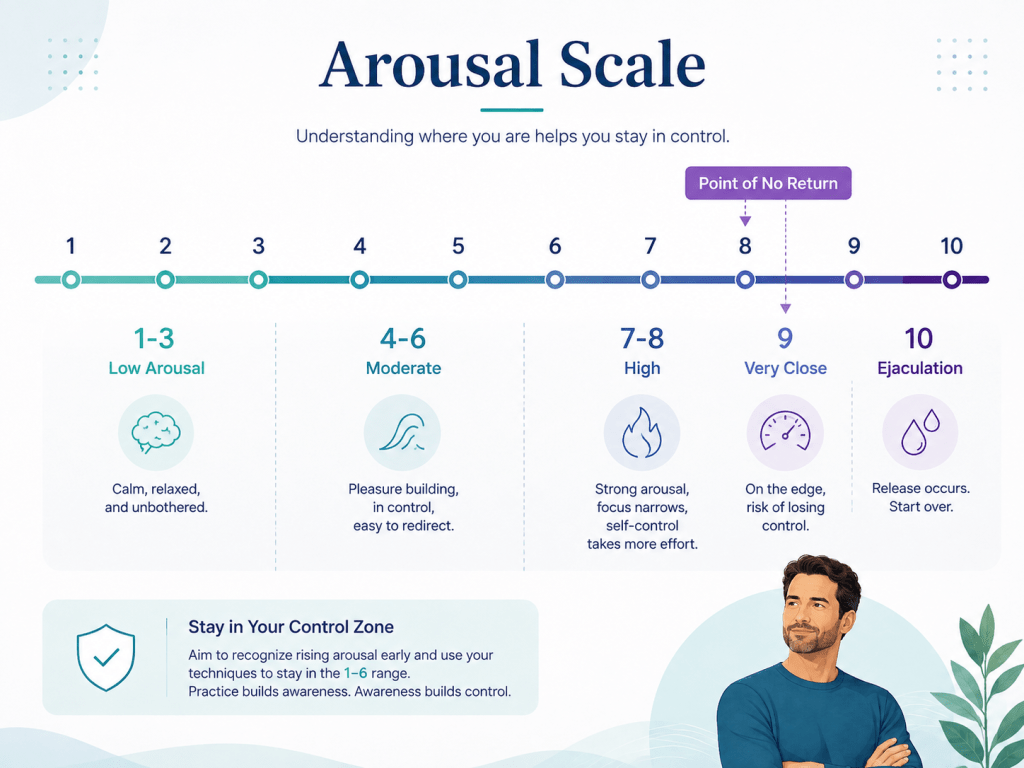
1. Learn Your Arousal Levels
Many men only notice their arousal when they’re already extremely close to ejaculation.
Instead, start learning what different levels of arousal feel like.
Imagine a scale from 1 to 10.
1–3: low arousal
4–6: moderate arousal
7–8: high arousal
9: very close to ejaculation
10: ejaculation
The goal isn’t to stay at a low level forever.
The goal is to become better at recognizing when you’re moving from manageable arousal toward the point where control becomes much harder.
2. Practice the Start-Stop Method
The start-stop method is one of the best-known behavioral techniques used for ejaculatory control.
The concept is simple:
Increase stimulation.
Notice your arousal rising.
Stop before reaching the point of no return.
Allow your arousal to decrease.
Then begin again.
Over time, this can help you become more familiar with your body’s arousal signals instead of discovering them only seconds before ejaculation.
3. Learn Belly Breathing
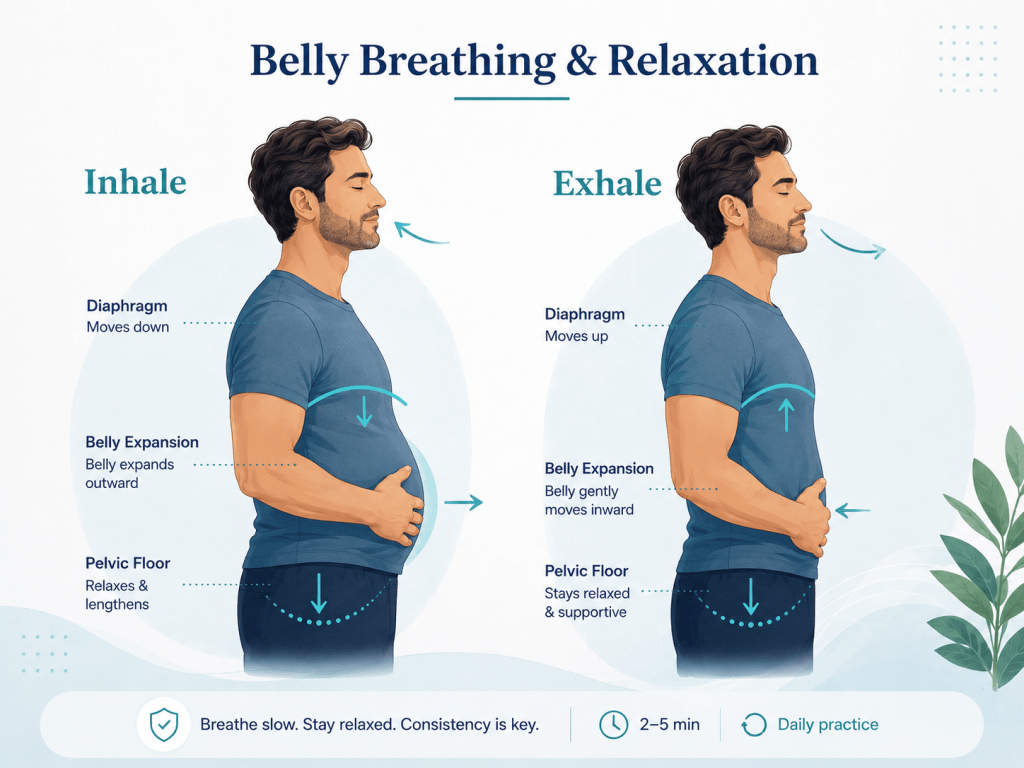
When arousal increases, many people begin breathing faster and more shallowly.
Try practicing slow diaphragmatic breathing instead.
Allow your abdomen to expand gently as you breathe in.
Then slowly exhale without forcing the breath.
The purpose isn’t to perform a complicated breathing trick.
It’s to become comfortable staying relaxed while your arousal increases.
4. Learn Pelvic Floor Relaxation
Kegels involve contracting the pelvic floor.
Reverse Kegels focus more on relaxation and release.
Both strength and relaxation can matter.
The goal isn’t to push or strain the pelvic floor. Instead, you’re learning to recognize unnecessary tension and gently release it.
Combining pelvic floor awareness with controlled breathing can be a useful training exercise.
5. Reduce the Rush Toward Orgasm
If every training session is focused entirely on finishing, you’re repeatedly reinforcing the same destination.
Try shifting the goal.
Instead of asking:
“How quickly can I reach orgasm?”
practice asking:
“How long can I stay comfortable at a moderate level of arousal?”
That changes the purpose of the session from chasing orgasm to practicing control.
6. Communicate With Your Partner
Trying to hide the problem can create even more pressure.
Open communication can reduce some of the anxiety surrounding sexual performance.
Sex doesn’t need to become a stopwatch competition.
Learning what both partners enjoy and reducing pressure around penetration or ejaculation can make the situation easier to work on.
7. Consider Professional Help
If premature ejaculation is persistent, suddenly appeared, causes significant distress, or occurs alongside pain, erection problems, urinary symptoms, or other health changes, consider speaking with a qualified healthcare professional.
Treatment options can include behavioral approaches, counseling or sex therapy, and in some situations medications or topical treatments.
Can You Improve Ejaculatory Control?
For many men, there are skills that can be practiced.
But don’t think about PE as one muscle that simply needs to become stronger.
Ejaculatory control involves several systems working together:
Arousal awareness.
Pelvic floor control.
Breathing and relaxation.
Sexual habits.
Mental state.
Overall health.
That is why relying on one trick or exercise may not address the entire problem.
A structured approach allows you to work on several of these areas together.
Start Building Better Control
If you want to start practicing, begin with the fundamentals:
Learn your arousal scale.
Practice slow belly breathing.
Develop pelvic floor awareness.
Learn the difference between Kegels and reverse Kegels.
Practice the start-stop method.
Most importantly, focus on consistency rather than expecting one exercise to change everything overnight.
Want a Structured Training Plan?
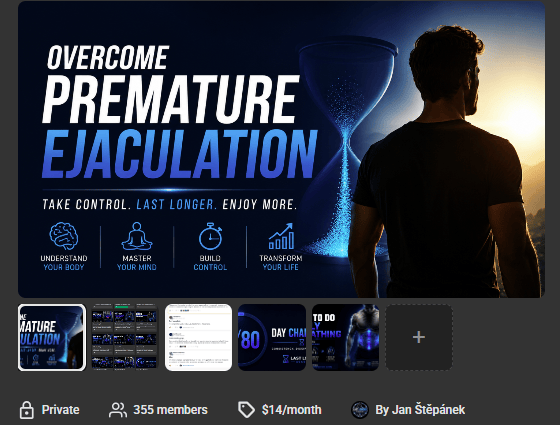
Last Longer Academy brings these techniques together into a structured training system designed to help men develop better awareness, control, relaxation, and confidence.
Inside you’ll find practical training around:
- Arousal control
- Belly breathing
- Kegels
- Reverse Kegels
- Pelvic floor training
- Start-stop practice
- Structured routines and challenges
This article is for educational purposes only and is not a substitute for individual medical advice, diagnosis, or treatment.


Leave a Reply